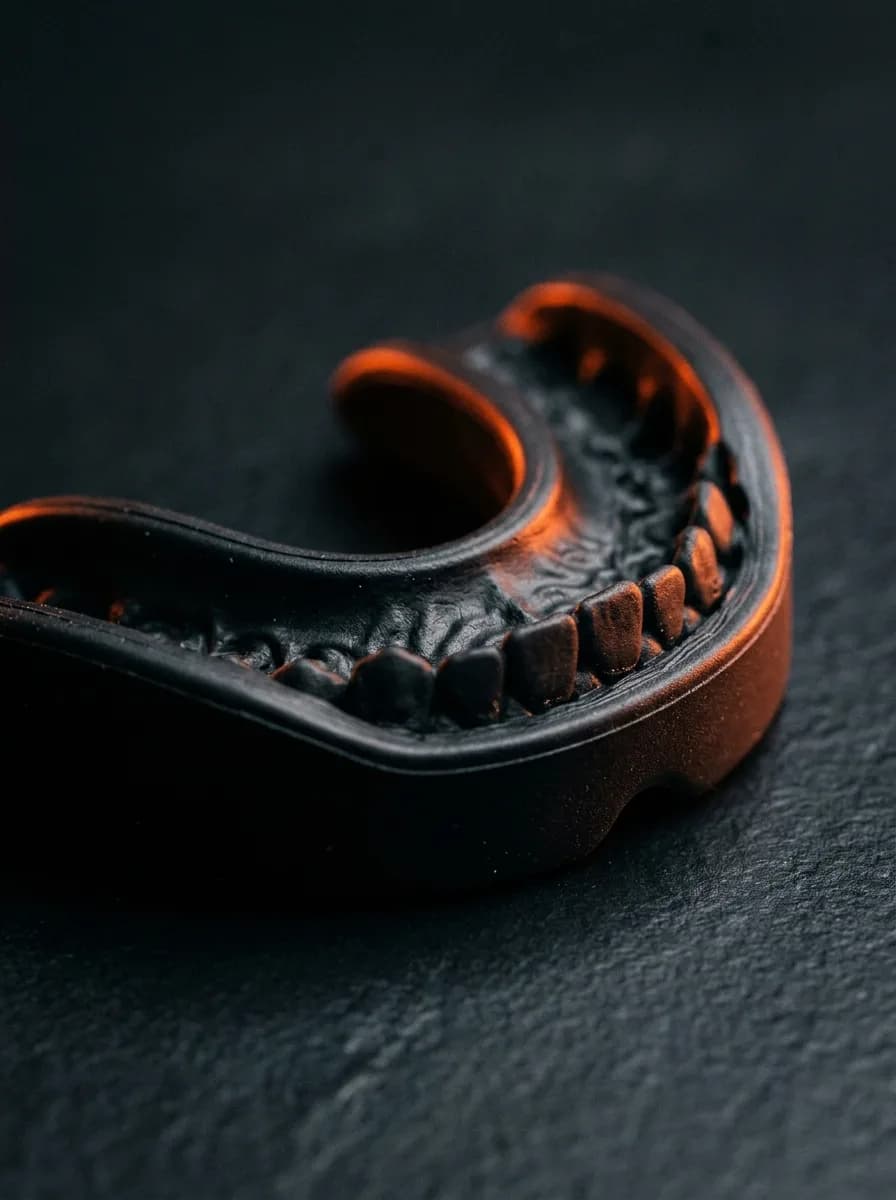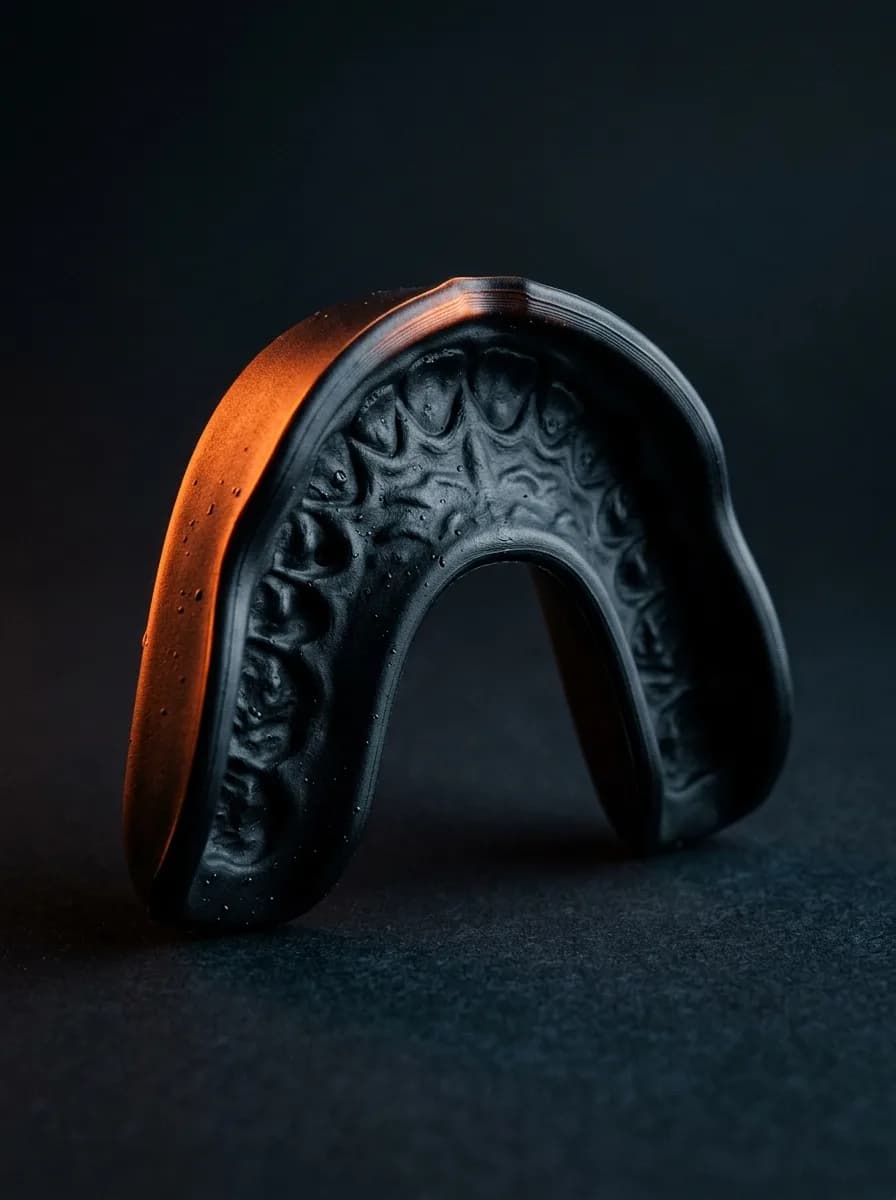
There is no single hockey mouthguard rule, which is exactly why this gets confusing. USA Hockey mandates one for most youth and teen players and the high school federations require one, but the NCAA only recommends it and the NHL leaves it to the player — and Hockey Canada hands the decision to each province. Here is what each governing body actually says, level by level, checked against each body's rulebook, plus how to pick a guard that passes inspection.
The short answer
USA Hockey requires a colored, non-clear internal mouthguard for every player from 12 & under through 18 & under, and for Girls' 19 & under. US high school hockey under NFHS rules requires one too. The NCAA recommends a mouthguard but does not require it, the NHL leaves it to each player, and Hockey Canada leaves the mandate to each province.
Do NHL players wear mouthguards?
Plenty of them do, but not because they have to. The NHL has no rule requiring a mouthguard — it is left to each player. That is the opposite of the youth and high school game, where a guard is mandatory kit. So if you have watched pros play without one and wondered whether your kid really needs theirs — the answer is that the rules treat a developing mouth very differently from a grown professional's, and for good reason.
USA Hockey (Rule 304)
USA Hockey sanctions most club, travel, and association hockey in the United States, and its rule is the strictest of the bunch. Rule 304 requires that all players and goalkeepers in the 12 & under through 18 & under age classifications, and Girls' 19 & under, wear a colored (non-clear) internal mouthpiece that covers all the remaining teeth of one jaw, customarily the upper. Below 12 & under it is not mandatory, though USA Hockey still recommends it, and the rulebook goes further: it strongly recommends, in all classifications, that the mouthpiece be form-fitted by a dentist.
Enforcement is light on the first slip and real after that. The first time anyone on a team plays without the required mouthpiece, the team gets a warning; a later violation by anyone on that team in the same game draws a misconduct penalty. So "I forgot it" costs the team once and then starts costing penalties.
Why the guard has to be colored
The "non-clear" part trips people up. USA Hockey specifies a colored mouthpiece so an official can see from across the ice whether a player is actually wearing one. A clear guard is nearly invisible at speed, which makes the rule impossible to enforce. Any color other than clear satisfies it, so this is the one rule that rewards a guard with some personality. If you buy or make a custom guard, pick a color — a clear one will get you stopped even though it protects exactly the same.
US high school and Minnesota
High school hockey is where it gets state-specific. Many state associations run under National Federation of State High School Associations (NFHS) rules, and the NFHS mandates a tooth and mouth protector for ice hockey, per its position statement on mouthguard use in sports. In Minnesota — our home state, and about as serious about high school hockey as anywhere — the Minnesota State High School League governs the game and follows NFHS rules, so a mouthguard is required in practice — confirm the exact wording in the MSHSL rulebook. The safe assumption at high school level is that you need one, because a few states layer their own equipment rules on top.
NCAA college hockey
College is the level people most often get wrong. The NCAA Ice Hockey Rules Book says it plainly: "It is recommended that all players wear an internal mouth guard that covers all the teeth of one jaw." Recommended, not required. So despite how often you will read online that the NCAA mandates mouthguards in hockey, the rulebook itself only recommends one. Most college players wear one regardless, because the case for it does not depend on a rule forcing them to.
Hockey Canada
North of the border, the mandate is decentralised. Hockey Canada rule 3.6 does not make a mouthguard mandatory across the board. It becomes compulsory in divisions that allow the half visor, and a provincial Member can make it mandatory for a division of play; where it is required, the same warning-then-misconduct enforcement applies, and it is recommended but optional for Senior hockey. In practice that means the answer depends on your province and division, so check your branch and league before the season.
The rules, level by level
| Level / body | Mouthguard | Notes |
|---|---|---|
| USA Hockey 12U–18U, Girls' 19U | Required | Colored, non-clear, covers one jaw |
| USA Hockey under 12 | Recommended | Dentist-fitted strongly recommended |
| US high school (NFHS) | Required | Includes Minnesota (MSHSL) |
| NCAA (men's & women's) | Recommended | Covers all teeth of one jaw |
| NHL | Not required | Player's choice; no league rule |
| Hockey Canada | Varies | Compulsory with half visor; set by province |
If you also play a mandated field sport, the lacrosse mouthguard rules follow the same level-by-level pattern, and the rugby mouthguard guide covers how a contact-sport guard is chosen and fitted.
Why hockey players wear them
Rules aside, hockey is a sport of pucks traveling at speed, high sticks, boards, and the occasional dropped glove. A mouthguard reduces the risk of dental injuries to the teeth, lips, and jaw — the American Dental Association recommends one for contact and collision sports for exactly that reason (ADA MouthHealthy). It does not make the risk zero and it is not a concussion device; what it does is cushion a stick or puck impact and lower the risk of a lost or broken front tooth. That is why the governing bodies that do not mandate a guard still recommend one, and why most NHL players wear one anyway.
Choosing and wearing a hockey guard
USA Hockey's rule describes an internal mouthpiece — the kind that sits on your teeth — not the strap-on cage attachment some youth players use. An internal guard that covers the upper jaw is the standard. Wearing it is simple: seat it on your upper teeth so it grips without clenching, and if you are fighting to keep it in or spitting it out on every shift, the fit is wrong, not your technique. The full checklist is in how to fit a mouthguard.
Fit is where a custom guard earns its place. A boil-and-bite loosens and drifts; a guard made from an impression of your own teeth stays seated through a check. GumGear's Contact Guard ($99) is built from your own at-home dental impression in pressure-laminated, multi-layer EVA — the same methodology a dentist uses — at our facility in Rochester, Minnesota. And because the USA Hockey rule bans clear guards, the 3D customizer matters here: you pick a color up front, so the guard that arrives already passes inspection rather than getting you stopped at the bench. It is backed by a 30-day fit guarantee. For the full picture on cost, fit, and the impression process, start with the complete custom mouthguard guide.
One note for parents of younger players: a growing mouth changes, so a child's guard will need refitting or replacing more often than an adult's, and whenever the fit starts to change. A parent or guardian places the order for a player under 18.
If you wear braces
A guard made from an at-home impression kit cannot be formed over braces, because the putty cannot release cleanly from around the brackets and wires. A hockey player in braces needs a mouthguard made from an in-person professional dental scan instead, or a boil-and-bite designed for braces in the meantime. If you are in braces, get in touch with us and ask your orthodontist before ordering, so the guard suits your treatment.
When to see a dentist
- A tooth is knocked out, loosened, chipped, or cracked. See a dentist immediately — with a knocked-out tooth, the sooner you are seen, the better the chance of saving it.
- Your guard is cracked, perforated, or chewed through. Replace it rather than patching it; a damaged guard does not protect evenly.
- Confusion, a worsening headache, nausea, or memory gaps after a hit. Stop and get medical attention. A mouthguard reduces dental-injury risk; it does not rule out a head injury, and makes no claim to prevent concussion.