A generic boil-and-bite, a $99–$169 direct-to-consumer custom guard, or a dentist-made one. The question is whether the price gap maps to a protection gap, and whether the protection gap matters for what you actually do on the mat, the field, or in the ring. Here is how to think about it without inflating the numbers.
The short answer
For anyone training a contact or combat sport more than once a week, custom-fit is worth it on protection alone. It is not always cheaper per month than a generic guard, and we will show the arithmetic, but you are paying for retention and coverage that a hand-pressed shell cannot give you. For occasional pickup play, a quality boil-and-bite is fine. For the dentist-made option, the fit method is the same family as a direct-to-consumer custom, so you are mostly paying for appointments and clinic overhead rather than a different kind of protection — though a dentist is the right route for anything a home kit cannot handle, such as braces.
The three real options
- Boil-and-bite (roughly $15–$40, generic market range): generic plastic shell softened in hot water and pressed against your teeth. Captures a rough outline of your bite. Typically loosens within weeks to a few months of regular use, depending on the product and how hard you train.
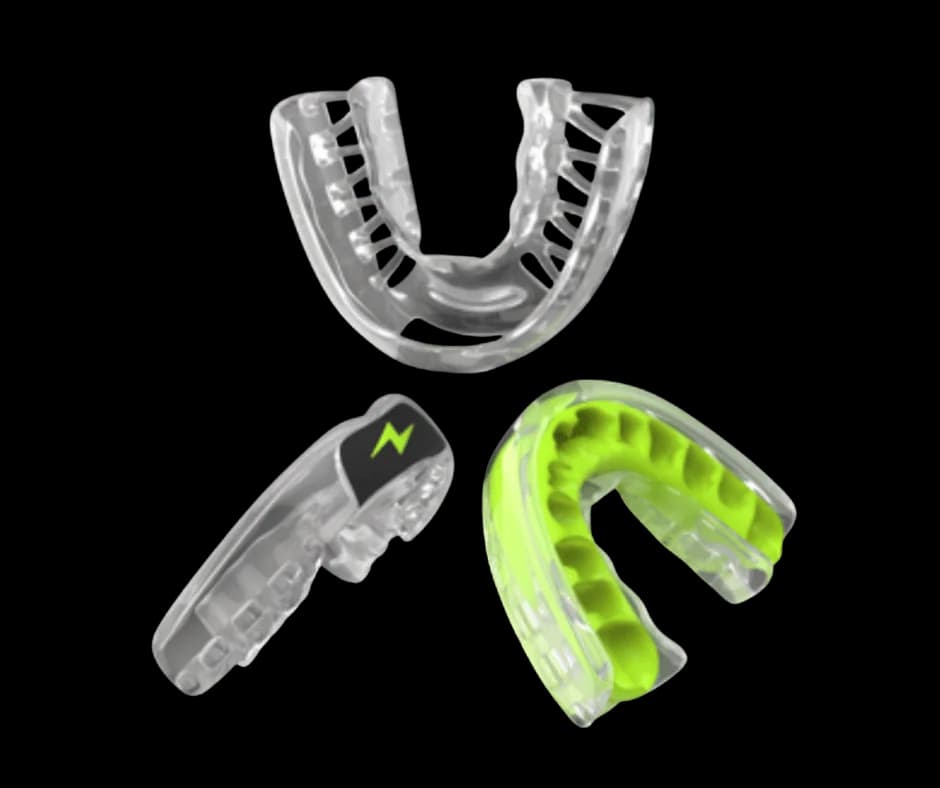
- Direct-to-consumer custom ($99–$169): at-home dental impression, from which GumGear casts your arch and pressure-laminates a multi-layer EVA guard in-house. GumGear pricing: Contact Guard $99, Combat Guard $169.
- Dentist-made custom (price varies by practice): in-office impression, lab-fabricated guard, in-office fitting. The same impression-based approach as direct-to-consumer; the price includes chair time and clinic overhead, and it usually means more than one visit and a longer wait. We have not put a dollar figure on it here because quotes vary widely; ask your dentist.
The protection difference is between boil-and-bite and either of the two custom options — not between direct-to-consumer custom and dentist-made. Both customs capture the teeth first and build the guard to that shape.
Cost per month compared
Sticker price hides the real comparison, which is cost over the guard's useful life. The numbers below are arithmetic on stated assumptions, not measured averages. They use the GumGear replacement intervals from how long does a mouthguard last and an assumed boil-and-bite lifespan, since that varies by product.
| Option | Assumption | Rough cost per month |
|---|---|---|
| Boil-and-bite | $15 guard replaced every 2 months, to $40 every 4 months | About $7.50–$10 |
| GumGear Contact Guard | $99, replaced every 6–12 months | About $8–$17 |
| GumGear Combat Guard | $169, replaced every 3–9 months | About $19–$56 |
| Dentist-made | Quote varies by practice | Ask your dentist |
Read that honestly. For contact-sport players, a Contact Guard costs about the same per month as a generic guard replaced on a sensible schedule. For combat training, a Combat Guard costs more per month, because heavy strike exposure wears layers down faster. The reason to pay it is that a guard that stays seated is doing the job; a loose one is not.
What you are really protecting
The argument for custom is not that it saves money. It is that the thing at risk is expensive and slow to fix. A chipped or fractured front tooth can mean bonding, a veneer, or a crown, sometimes with follow-up work, and damage that involves the root is more serious still. We are deliberately not quoting a repair price: costs vary widely by procedure, location, and insurance, and an invented number would not help you. Ask a dentist or your insurer what a repair would cost for you, and compare that to the price of a guard.
If you already have crowns, veneers, implants, or large fillings, the calculation shifts further. Those restorations cost more to replace than natural enamel, and a loose guard puts concentrated force on them. If you are weighing this up for dental work you already have, it is worth mentioning it to your dentist as well.
Hidden costs of cheap guards
- Replacement cadence. A generic guard that loosens within weeks has to be replaced often. That is time and admin cost, not just dollars.
- Air and speech penalty. Cardio capacity in round three matters. A guard that obstructs breathing or muffles your voice costs you stamina and communication.
- Reduced confidence in exchanges. Athletes with a loose guard often hold back in clinches and exchanges. A guard you trust changes how you train.
- Jaw strain from clenching. A guard that does not stay seated invites you to clench to hold it, which can leave your jaw sore. We cover the mechanics in mouthguard jaw pain: causes and fixes. If pain persists, see a dentist.
- Sanctioned-bout rules. Rules about mouthguards vary by organisation and commission, so check what yours requires before you compete in anything you buy.
What the price includes
With a custom guard you are paying for more than the EVA. For a GumGear order, the price covers the impression kit, the prepaid return shipping, fabrication, and quality control in-house in Rochester, Minnesota, and delivery. Standard orders arrive in 10–14 days. You also get a 30-day fit guarantee: if the guard does not fit when it arrives, you can contact us and we will work with you on a free remake if one is needed. Optional extras, such as custom designs or text, are priced separately on the product page.
When you compare prices, compare what is included. A cheap guard that you replace repeatedly, with no recourse when it does not fit, is a different proposition from one with a fit guarantee. The manufacturing walk-through covers what happens at each stage of the build.
When custom is not worth it
- Casual pickup play. One basketball game a month with friends does not need a custom guard.
- Kids still growing. A 12-year-old's teeth will move before a custom guard is fully worn out. Quality boil-and-bites are appropriate until growth slows.
- Trying a sport for the first time. If you have not committed to whether you are going to train regularly, an inexpensive boil-and-bite is fine for the first month or two. Upgrade when you commit.
- You are in braces. The at-home kit cannot make a braces-compatible guard. If you wear braces, get in touch before buying, or ask your orthodontist what they recommend.
Questions to ask before you pay
Whichever route you are leaning toward, a few questions cut through the marketing and make price comparisons fairer.
- What is the fit made from? A cast of your own teeth and a generic shell are different things, whatever the product page calls them.
- What happens if it does not fit? Look for a stated window and a stated remedy, not a vague promise.
- How many layers, and where? A guard for direct strikes needs more material over the front teeth than one for tackles and falls.
- How long until it is in your hands? Count the whole journey, including appointments or shipping, not only the fabrication step.
- Does it work with your mouth? Braces, loose teeth, or ongoing jaw pain are reasons to involve a dentist before buying anything.
Four worked examples
The weekend rugby player. Plays most Saturdays, trains once a week. Contact is regular, strikes are not. A Contact Guard ($99) costs about as much per month as a generic guard replaced often, and stays put through tackles. See the rugby, hockey and lacrosse guide for sport specifics.
The amateur MMA fighter. Trains three or four times a week and spars. This is the group where a shifting guard costs the most. The Combat Guard ($169) costs more per month than a generic guard, and that extra cost is the price of extra layers over the front teeth and molars. See the MMA guide.
The parent of a 13-year-old. Plays football and basketball, still growing. A custom guard will likely stop fitting before it wears out. A well-fitted generic guard replaced as they grow is the practical choice; revisit custom when growth slows. If they are in braces, a dentist or orthodontist is the right person to ask.
The adult with veneers who plays recreational hockey. Low frequency, high stakes: the restorations are the expensive part. This is where frequency alone understates the case for custom, because the cost of a mistake is in the mouth, not in the guard.
The verdict by training level
- 0–1 sessions/week: boil-and-bite is appropriate.
- 2–3 sessions/week, contact sport: GumGear Contact Guard ($99).
- 2–3 sessions/week, combat sport: GumGear Combat Guard ($169).
- 4+ sessions/week, competing: Combat Guard, ideally with a second guard on rotation, replaced on the schedule your training load demands.
- Existing dental work, any frequency: custom. The restorations you would be protecting are the reason.
- Braces: talk to us or your dentist before buying.
For the broader buying decision and what makes a custom mouthguard different in the first place, start with the complete custom mouthguard guide. If the main question is how it compares to the generic option, the side-by-side is in boil-and-bite vs custom mouthguard.
Getting more out of what you buy
Whatever you choose, care is the cheapest way to extend a guard's life. Rinse in cool water after each session, clean it with a soft brush and mild soap, let it air-dry fully, and store it in a ventilated case. Keep it out of hot water, dishwashers, and hot cars. The full routine is in how to clean a mouthguard.
Check the fit when it arrives and again every few weeks. Fit is quicker to fix early, and the four-check test in how to fit a mouthguard takes under a minute. Replace on the schedule your sport calls for or sooner if you see wear.